The Full Story of Anoushka Shankar Husband Joe Wright and Her Journey Beyond Marriage
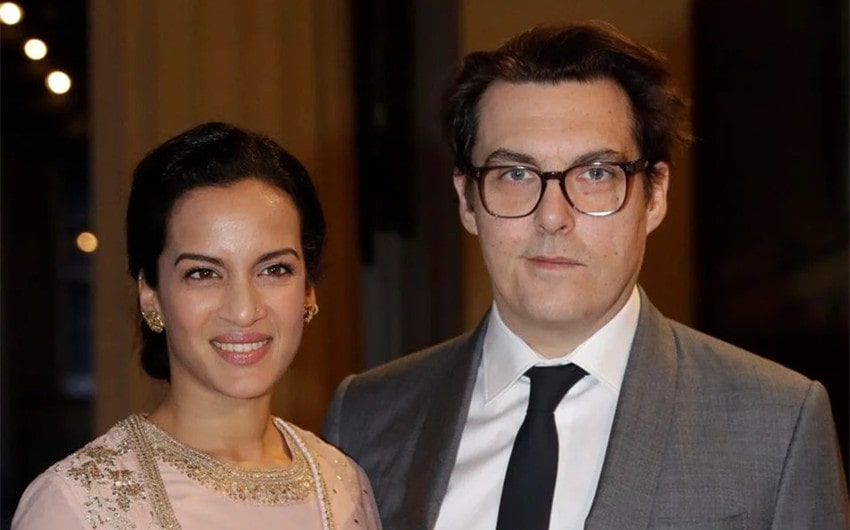
Fans searching for Anoushka Shankar’s husband are often curious about the internationally acclaimed sitar virtuoso’s personal life, particularly her marriage to British filmmaker Joe Wright. Their relationship, once spotlighted for its artistic energy and cross-cultural connection, evolved through marriage, parenthood, and eventually an emotional separation. While their partnership ended in 2018, the story of their time together—and what followed—remains deeply intertwined with Shankar’s own evolution as a musician, mother, and woman. This article explores who Joe Wright is, how their love story unfolded, why their marriage ended, and how Anoushka Shankar has continued to grow personally and artistically in the years since.
Who Is Anoushka Shankar? A Brief Overview
Before exploring her marriage, it is important to understand the remarkable life and legacy of Anoushka Shankar. Born in London in 1981 to legendary Indian sitarist Ravi Shankar and his partner Sukanya Rajan, Anoushka was immersed in music from a young age. She began studying sitar under her father’s guidance when she was just a child and made her professional debut at age 13. Her prodigious talent quickly became evident, and she released her first album, Anoushka, at 17.
Over the years, Shankar has become one of the most respected classical and contemporary world musicians. Her artistry defies boundaries—she blends Indian classical music with flamenco, electronica, jazz, and other global influences. She has been nominated for multiple Grammy Awards, performed on some of the world’s most prestigious stages, and become an outspoken advocate for women’s rights, refugees, and survivors of abuse.
Her personal life, though often private, has also found expression in her music. Themes of love, heartbreak, motherhood, identity, and healing resonate throughout her work, making her marriage to Joe Wright a meaningful part of her artistic narrative.
Her Marriage to Joe Wright
Anoushka Shankar married British film director Joe Wright in 2010. Joe Wright is best known for acclaimed films such as Pride & Prejudice, Atonement, and Anna Karenina. His cinematic sensibility—richly emotional, visually elegant, and often deeply romantic—seemed an interesting complement to Shankar’s expressive musical world.
The couple reportedly met through artistic and social circles, discovering an immediate connection grounded in creativity and mutual admiration. Their shared passion for storytelling, beauty, and artistic craft made them a compelling pair in both public and private settings.
Their wedding, though intimate, drew attention due to both partners’ global reputations. Fans admired their blending of cultures: East and West, film and music, classical tradition and contemporary innovation. Their early years together were marked by travel, performances, film premieres, and a shared creative life. It appeared to be a partnership built not only on love but also on mutual artistic support.
Family Life: Their Two Sons
One of the most meaningful aspects of Anoushka Shankar and Joe Wright’s marriage was the family they built together. The couple welcomed their first son, Zubin, in 2011, and their second son, Mohan, in 2015. Motherhood became a profound force in Shankar’s life, influencing her identity, priorities, and artistic expression.
Anoushka often described her children as her source of grounding and inspiration. Her compositions during this period reflected new emotional layers: tenderness, vulnerability, exhaustion, joy, and the shifting balance between selfhood and caregiving. Wright, for his part, appeared deeply involved as a father, and the family shared a blend of British and Indian cultural influences in their home life.
Despite both parents’ demanding careers, they strived to create stability and warmth for their sons. Their family environment allowed Shankar to continue touring and recording while also embracing the tenderness of raising children.
Separation and Divorce
In 2018, after nearly a decade of marriage, Anoushka Shankar and Joe Wright confirmed their separation. The announcement came as a surprise to many fans, especially given the couple’s public creative compatibility and family life. However, as with many relationships, the complexities behind the scenes were known only to those involved.
Their statement emphasized respect, cooperation, and a shared commitment to co-parenting. Shankar later spoke candidly in interviews and essays about the emotional challenges she faced during this period. She described feelings of heartbreak, confusion, and grief—not only for the marriage but for the expectations and dreams attached to it.
Her 2019 EP Love Letters reflected these emotions with striking honesty. The music explored themes of loss, vulnerability, resilience, and the delicate process of rebuilding after a life-altering separation. Many listeners and critics praised her willingness to transform pain into art, calling it one of the most intimate and moving works of her career.
While neither Shankar nor Wright disclosed detailed reasons for their split, Shankar emphasized personal growth and healing as central themes in her post-divorce journey.
Anoushka Shankar’s Life After Divorce
Following the separation, Anoushka Shankar entered a new chapter marked by self-discovery, artistic evolution, and emotional renewal. She has spoken openly about therapy, introspection, and the importance of redefining her identity outside the context of marriage.
Her music continued to evolve, incorporating even more personal storytelling and bold experimentation. Collaborations with artists such as M.I.A., Norah Jones, Manu Delago, and Arooj Aftab showed her willingness to push boundaries while staying deeply rooted in emotional truth.
Shankar also found companionship again. While she has been private about the specifics of her new relationship, she acknowledged entering a loving partnership in recent years—one that reflects a healthier, more grounded stage of her life.
Advocacy became an even more central part of her public persona. She used her platform to speak about domestic violence, sexual assault (sharing her own experience), refugee rights, and gender justice. Her activism, combined with her musical brilliance, solidified her as a global voice for empathy and change.
Featured Image Source: belfasttelegraph.co.uk