Shirley Booth Net Worth: Career Earnings and Lasting Legacy
Shirley Booth remains one of the most respected performers of the 20th century, and interest in Shirley Booth’s net worth continues decades after her passing. Best known for her warm screen presence, powerful stage performances, and iconic role on television, Booth built a successful career across multiple entertainment mediums. While exact financial records from Hollywood’s Golden Age are rarely precise, her long and decorated career provides enough context to understand how she accumulated wealth and why her legacy still matters today.
Who Was Shirley Booth?
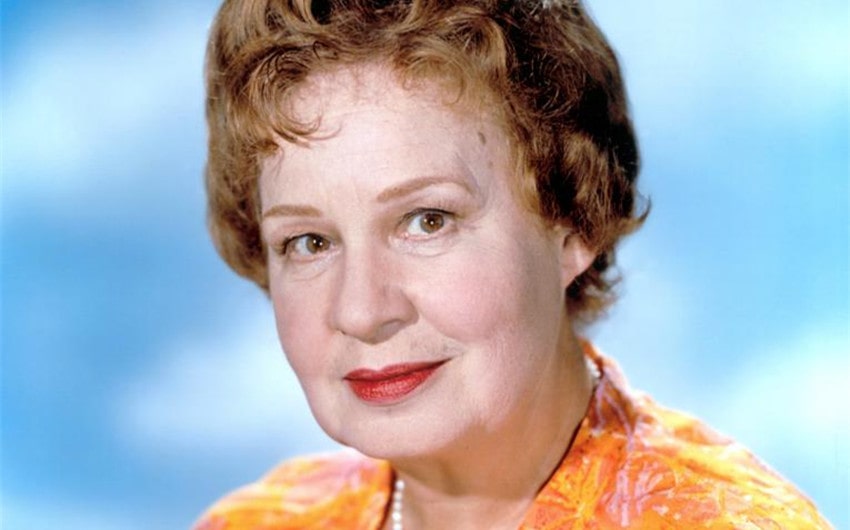
Shirley Booth was an American actress born in 1898, whose career spanned theater, film, radio, and television. She began performing at a young age, developing her craft long before fame arrived. Booth was particularly admired for her emotional depth and authenticity, qualities that set her apart in an era dominated by studio-controlled stars.
Unlike many performers who specialized in one medium, Booth excelled across all major platforms of her time. This versatility played a significant role in both her professional longevity and her financial stability.
Shirley Booth Net Worth: Estimated Overview
Because Shirley Booth’s career peaked in the mid-20th century, there are no publicly verified financial statements detailing her exact net worth. However, historians and entertainment analysts generally estimate that Shirley Booth’s net worth at the time of her death in 1992 was in the range of $5 million to $10 million, adjusted to modern dollars.
In nominal terms during her lifetime, her wealth would have been lower, but when accounting for inflation and the earning power of her assets, this range reflects a successful and financially secure career. These estimates are based on her sustained employment, award-winning performances, television residuals, and prudent lifestyle rather than extravagant spending.
Broadway and Theater Career Earnings
Shirley Booth’s financial foundation was built on Broadway. She achieved major success on stage, particularly with roles that showcased her dramatic abilities. One of her most notable achievements was her performance in Come Back, Little Sheba, which earned her a Tony Award.
Broadway salaries during Booth’s era were modest by modern standards, but leading performers could earn steady and respectable incomes. More importantly, success on Broadway often led to prestige, critical acclaim, and leverage for better contracts in film and television.
Theater also provided Booth with long-running roles, allowing her to earn consistently rather than relying on sporadic film appearances.
Film Career and Academy Award Success
Shirley Booth’s transition to film further increased her earnings. Her most famous film role came in the 1952 adaptation of Come Back, Little Sheba, which earned her the Academy Award for Best Actress.
Winning an Oscar significantly elevated Booth’s status in Hollywood. During the studio system era, awards often translated into higher salaries, better roles, and more negotiating power. While Booth never became a stereotypical box-office glamour star, her reputation as a serious actress ensured steady work and respectable compensation.
Film contracts at the time often included fixed salaries rather than profit participation, but consistent work over several years still allowed performers like Booth to build wealth.
Television Success and Long-Term Income
Perhaps the most financially significant chapter of Shirley Booth’s career came later, with television. She starred as Hazel Burke on the hit sitcom Hazel, which aired from 1961 to 1966.
Television salaries in the early 1960s were not as high as modern standards, but lead actors on popular shows earned strong weekly paychecks. More importantly, shows like Hazel entered syndication, providing long-term residual income.
Residuals from syndication became a crucial source of ongoing earnings for many television stars, and Shirley Booth benefited from this system. The continued airing of Hazel kept her work relevant and financially productive well after the show ended.
Awards, Recognition, and Financial Value
Shirley Booth achieved the rare distinction of winning major awards across multiple mediums. She won an Academy Award for film, multiple Tony Awards for theater, and two Emmy Awards for television.
These honors were not just symbolic. Awards enhanced her professional reputation, making her a trusted and respected performer. This credibility often translated into better job security and higher compensation, especially in television, where networks valued recognizable and award-winning talent.
In an industry where many careers were short-lived, Booth’s accolades helped sustain her earning power over decades.
Lifestyle, Spending, and Financial Choices
Unlike many Hollywood stars of her era, Shirley Booth lived a relatively private and modest life. She was not known for extravagant mansions, lavish parties, or excessive spending.
This conservative lifestyle likely contributed to her long-term financial security. By avoiding the pitfalls that plagued many Golden Age actors—such as overspending or financial mismanagement—Booth preserved much of what she earned.
She also stepped away from acting at various points to focus on personal life and health, suggesting that financial stability allowed her to make choices based on well-being rather than necessity.
Why Exact Figures Are Hard to Confirm
Estimating Shirley Booth net worth is challenging because of the time period in which she lived. Studio contracts, private investments, and residual arrangements were not publicly disclosed in detail. Additionally, many performers of her generation did not actively publicize their finances.
Inflation also complicates comparisons. A salary that seemed modest in the 1950s or 1960s could represent substantial purchasing power when adjusted to today’s economy.
As a result, net worth estimates rely on career scope, longevity, and industry standards rather than exact documentation.
Featured Image Source: tvinsider.com